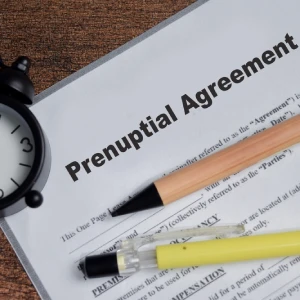
A Prenuptial Agreement Does Not Mean You’re Expecting To Divorce
Almost no happy couple en route to their wedding day is eager to discuss what might happen if the marriage does not last.
Even mentioning a prenuptial agreement can feel uncomfortable. You may be concerned that your fiancé will take it personally or see it as a sign that you have doubts about the relationship. In my experience, however, discussing a prenup is often less about preparing for divorce and more about making sure both people enter the marriage with a clear understanding of their finances.
That conversation may cover savings, debt, real estate, business interests, family obligations, and each person’s approach to spending and saving. Addressing these subjects before the wedding can prevent misunderstandings later and give both partners a voice in deciding how financial matters will be handled.
At Phillip A. Roach Attorney at Law, I help clients have these discussions thoughtfully and prepare agreements suited to their circumstances.
What Is Important For You To Protect?
People consider prenuptial agreements for many different reasons. For a business owner, the priority may be protecting a company that took years to build. Someone marrying for a second time may want to make sure certain assets remain available for their children. A home, an expected inheritance, or savings earned before the relationship can also raise questions that are better addressed before marriage.
Sometimes, the main issue is debt rather than property. If either person has student loans, credit card debt, or obligations tied to a business, a prenup can spell out how those debts will be treated and help both partners know what they are agreeing to.
A prenuptial agreement can address questions involving:
- Property owned before the marriage
- Income, savings, and property acquired during the marriage
- Responsibility for certain debts
- Ownership or management of a business
- Spousal support if the marriage ends
- Estate-planning expectations
- Financial responsibilities during the marriage
The agreement should be tailored to your unique circumstances, not some cookie-cutter document based on what the average couple has or needs.
The Conversation Should Be As Important As The Document Itself
A prenuptial agreement is not something to present just days before the wedding. Starting early gives each person enough time to read the agreement, ask questions, and think through its possible effects without feeling pressured.
Both partners should be open about their finances during this process. Any missing information, confusing language, or concern about timing should be resolved before the agreement is signed.
These discussions often bring up broader questions about married life. Will you combine your finances or maintain separate accounts? Who will pay the household bills? How should income from a business be handled? Does either person provide financial support to children or other family members? If you have not talked about these matters before, working on a prenup can provide a reason to do so.
I can help you determine which issues need to be addressed and explain the practical effect of the proposed terms. Your future spouse can also retain a separate attorney to review the agreement and offer independent legal advice.
By the time the agreement is signed, both of you should understand its terms and feel that you had a fair opportunity to participate in the process.
Your Marriage And Estate Plan Should Go Hand In Hand
A prenuptial agreement does not exist separately from the rest of your financial life.
If you have a will, trust, business succession plan, beneficiary designation, or other estate-planning documents, those arrangements should be reviewed alongside the agreement. One document should not promise something that another document handles differently.
This can be especially important when you have children from an earlier relationship. You may want to provide for your spouse while still protecting an inheritance you intend to leave to your children. Those goals do not necessarily conflict, but they require careful planning.
I have practiced law since 1988 and handle both prenuptial agreements and estate-planning matters. I can look at how the pieces fit together and help you avoid leaving behind contradictory instructions or unanswered questions.
What If You Are Already Married?
A prenup must be signed before the marriage takes place. If you are already married, a postnuptial agreement may offer another way to address financial concerns.
Couples consider postnuptial agreements for many reasons. Perhaps one spouse opened a business, received an inheritance, or bought property after the wedding. In other situations, a couple may recognize that they never reached a clear understanding about money, debt, or ownership.
It is not too late to have that discussion simply because you are already married. Whether a postnuptial agreement makes sense—and what it should cover—depends on your circumstances and the outcome you and your spouse are seeking. I can review your concerns with you and explain the planning options that may fit your situation.
Start Your Marriage With Fewer Unanswered Questions
A conversation about a prenuptial agreement may feel uncomfortable. Still, it is usually better to address financial expectations now than to discover years later that you understood them differently.
You do not need to have everything figured out before raising the subject. Start by explaining what is important to you, then give your future spouse the same opportunity. That conversation can help both of you begin the marriage with fewer assumptions and a better understanding of where you stand.
Call Phillip A. Roach Attorney At Law in Bonita Springs, Florida, at (239) 990-2024 to schedule a consultation. I serve clients in Collier, Lee, Hendry, Glades, and Polk counties and can help you prepare an agreement that gives both of you a clearer understanding of the future you are entering together.


